


How to involve siblings in baby shower celebrations
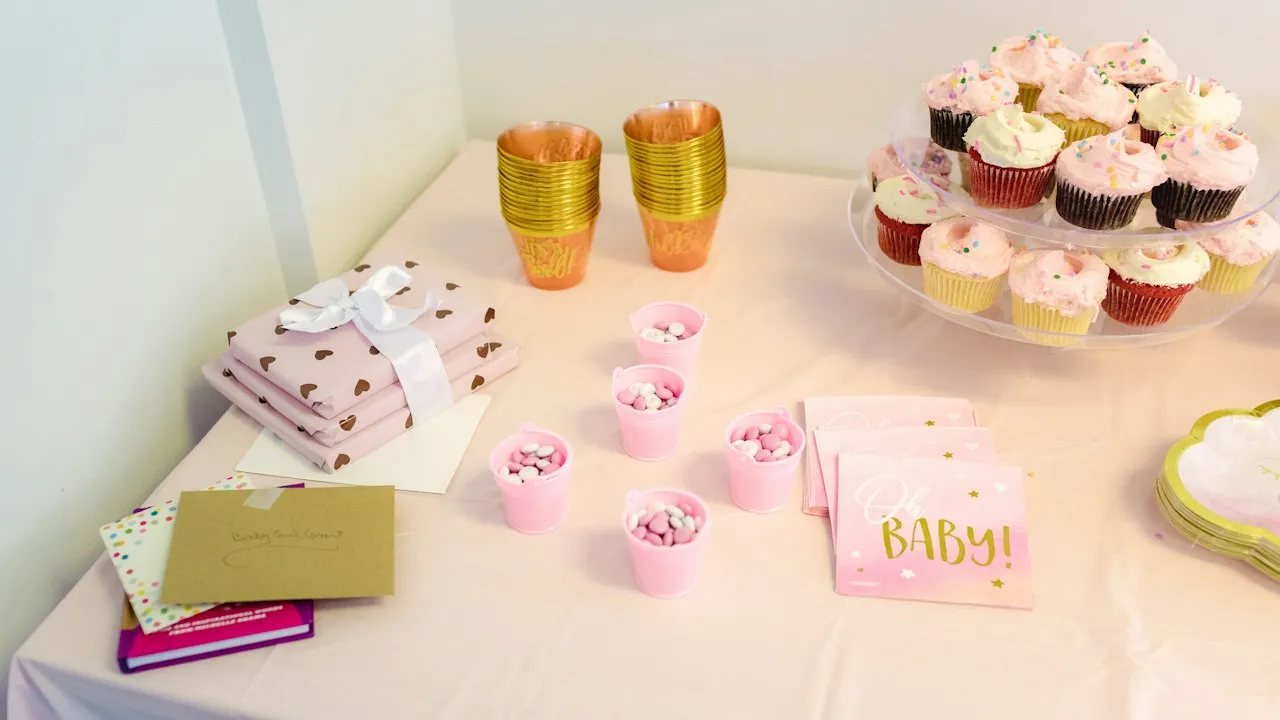
A baby shower can be a joyful milestone for the whole family, not only for the parents-to-be and their adult guests. If there are older children in the family, involving them thoughtfully can reduce feelings of exclusion and help them look forward to meeting the new baby. The aim is not to place responsibilities on them, but to offer small, meaningful ways to participate that suit their age, personality and comfort level.
Start by asking siblings how they would like to join in
Children are more likely to enjoy the celebration when they have some choice in their role. A confident nine-year-old may want to welcome guests or help with a game, while a shy four-year-old may prefer making a drawing for the baby in a quiet corner.
Speak with each child before plans are finalised. You might ask whether they would like to help choose decorations, make something for the nursery, or simply attend for the first hour. Avoid presenting participation as an obligation. A baby shower can be loud, busy and unfamiliar, particularly for younger children.
It can also help to explain what will happen during the party. Tell them who is coming, where they will sit, whether food will be served, and when they can take a break. Predictability makes the event feel more manageable.
Give every child an age-appropriate role
Simple jobs can make siblings feel valued without turning the day into work. Consider roles such as:
- Placing name cards or napkins on tables
- Handing out game sheets or pencils
- Choosing a song for the playlist
- Helping guests find the gift table
- Taking photographs with an instant camera, under adult supervision
- Collecting advice cards for the parents-to-be
- Presenting a handmade card or small gift to the baby
For toddlers, a role may be as simple as placing one sticker on a welcome sign or carrying a soft toy into the room. Praise their effort, even if the result is not perfectly neat.
Create activities that make children feel included
Adult-focused games can leave siblings bored, so plan a few options designed with them in mind. A craft table is often a reliable choice. Children can decorate bibs with fabric-safe pens, make paper bunting, colour nursery-themed pictures, or create a “big brother” or “big sister” badge.
A prediction board can work well for mixed ages. Guests and children can write friendly guesses about the baby’s birth month, hair colour, favourite future food, or the first song they may hear. Keep the tone playful and avoid questions that could feel intrusive.
You could also set up a book station. Ask guests to bring a children’s book instead of, or alongside, a card, then invite siblings to choose one book to read to the baby after the birth. The NHS offers helpful guidance on helping children prepare for a new sibling, including the value of involving them in gentle, positive ways: Preparing your child for a new baby.
Plan a sibling gift moment
Gift opening can be difficult for children who see a new baby receiving a great deal of attention. A modest sibling gift can make the occasion warmer and more balanced. This might be a new bedtime book, a “helper” apron, a photo frame, crayons, or a soft toy they can keep for themselves.
Present it as a token that celebrates their new role, not payment for being well behaved. You could say, “This is for you because you are part of the family’s new adventure.” Keep the gift separate from chores or expectations.
If you are looking for thoughtful options that work within a modest budget, these Affordable Baby Shower Gift Ideas for Moms-to-Be may also inspire a small family-themed present.
Protect children from overstimulation during the party
Even an inclusive party can become tiring. Build in a calm space away from loud music, crowded rooms and constant conversation. A bedroom or quiet corner with colouring sheets, cushions, snacks and familiar toys gives children somewhere to reset.
Assign one trusted adult to be a point of contact for siblings. This person can answer questions, supervise crafts, take them outside for fresh air, or leave early with them if needed. Parents-to-be should be free to enjoy their guests rather than feeling pulled in several directions.
Be realistic about timing. For very young children, a two-hour daytime gathering may be more enjoyable than a long afternoon. If the celebration is scheduled around nap time or bedtime, consider inviting siblings for a shorter, clearly planned segment.
Keep the language positive and realistic
A baby shower naturally focuses on the new arrival, yet siblings benefit from hearing that their own place in the family remains secure. Use phrases such as, “The baby will be lucky to have you,” or, “We will still have time for your favourite stories and games.”
Avoid promising that the baby will immediately be a playmate. Babies cry, sleep frequently and need lots of adult care. Honest, age-appropriate conversations before the birth can prevent disappointment later.
At the party, encourage guests to greet siblings by name rather than speaking only to the pregnant parent. A few genuine questions about school, hobbies or favourite games can make a substantial difference.
A welcoming baby shower includes the whole family
When siblings are invited into the celebration with care, the baby shower becomes more than a gathering of adults and gifts. It becomes an early family memory, one where children can feel noticed, respected and excited about the change ahead.
Key ideas to carry into your planning include:
- Offer choices rather than assigning duties
- Match activities and roles to each child’s age
- Include a quiet space and a trusted adult for support
- Give siblings a small moment of recognition
- Prepare them honestly for what the party, and life with a baby, may be like
- Keep the focus on connection, not perfect behaviour