








Baby shower clothing gifts parents will use
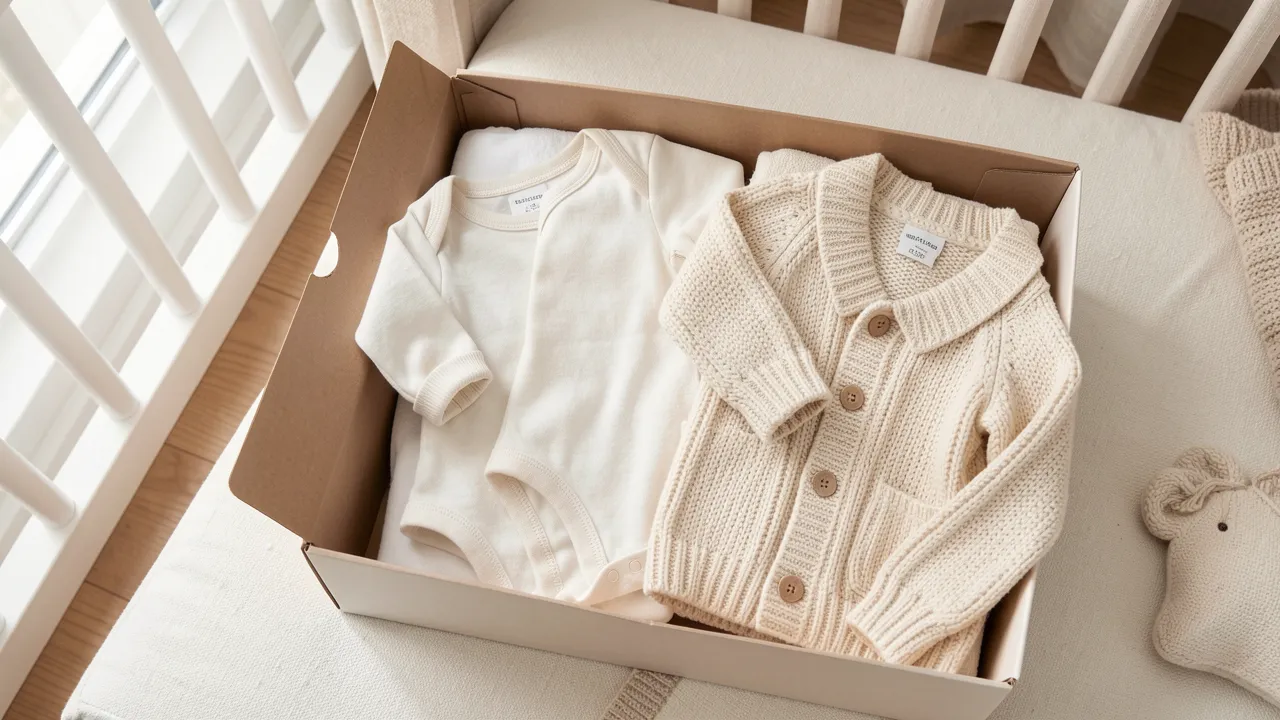
A baby shower clothing gift can be charming at first glance, yet its real value appears during the first weeks at home. Parents tend to reach for soft, easy-care pieces that fit their routine, not just outfits designed for a single photograph. By considering comfort, sizing and daily use before colour or novelty, you can offer a present that feels personal while genuinely supporting the family.
Start with the parents’ lifestyle, season and preferred clothing sizes
Before choosing an outfit, consider how the parents expect to dress their baby. Some families prefer simple cotton bodysuits, leggings and sleepsuits for daily changes, while others enjoy smart knitwear or coordinated sets for visits and celebrations. If you know their preferences, let those guide your selection rather than choosing based only on a trendy print.
Season matters just as much. A winter newborn may need long-sleeved bodysuits, warm layers and soft cardigans, while a summer baby will benefit from lightweight cotton rompers and short-sleeved vests. Check the expected birth month, then select garments that match the likely weather during the following few months.
For a gift that lasts beyond the first days, consider buying a slightly larger size. Clothing in sizes three to six months or six to nine months is often a thoughtful choice, since newborn wardrobes can quickly become overcrowded. Parents may also receive several tiny outfits before the birth, whereas larger pieces are useful later when the baby grows rapidly.
Children’s clothing also carries a sense of imagination, from playful animal motifs to prints inspired by favourite tales. Parents looking for various topic information around children’s stories can find ideas connected with characters, bedtime reading and shared family moments. A story-inspired pattern can feel warm and distinctive when it remains comfortable enough for ordinary wear.
“The best baby gift is one that makes an ordinary day feel a little easier.”
The clothing details that make dressing and changing a baby easier
A polished baby outfit should never compromise comfort. Babies spend much of their early life sleeping, feeding, being carried and having their nappies changed. Look for fabrics that are gentle on delicate skin, especially breathable cotton, soft jersey or fine merino wool suited to the season. Avoid rough seams, stiff decoration and scratchy labels that may irritate the baby.
Fastenings make a major difference to a parent’s routine. Envelope necklines allow a bodysuit to be pulled downwards after a messy change, while poppers around the legs reduce the need to remove the entire garment. Two-way zips on sleepsuits can be especially useful during nighttime nappy changes, provided there is a fabric guard near the chin.
When selecting practical baby clothes, assess a few everyday features:
- Wide neck openings or shoulder poppers for easier dressing
- Secure, smooth fastenings that sit flat against the body
- Machine-washable fabrics that retain their shape
- Stretchy waistbands that do not press on the tummy
- Built-in feet or fold-over mittens when appropriate for the season
A set of bodysuits may sound less glamorous than a miniature formal outfit, but it is often used far more frequently. You can still make basics feel gift-worthy by choosing a harmonious colour palette, such as soft cream, sage green, dusty blue or warm neutral tones. Useful does not have to mean plain.
Choose pieces that work together
A small collection of coordinated garments gives parents more flexibility than several unrelated statement pieces. For example, you might pair two neutral bodysuits with soft trousers, a cardigan and a lightweight hat. Each item can be worn separately, and the family can adapt the layers as indoor temperatures and weather change.
If you choose a smart piece, such as a collared romper, a little dress or tailored baby trousers, make sure it still allows free movement. Babies kick, curl and stretch constantly. Soft linings, elasticated details and relaxed cuts preserve the refined appearance without making the outfit restrictive.
Choosing giftable outfits that are both practical and beautifully presented
Presentation can make everyday clothing feel like a considered baby shower gift. Rather than adding unnecessary accessories, arrange a useful outfit bundle in a reusable fabric bag, a nursery basket or a simple gift box. Include a short note that mentions the size and season, so parents can store the pieces until they are needed.
A balanced clothing gift might include one occasion-ready item and several daily essentials. For instance, a soft knitted cardigan can accompany two cotton sleepsuits, or a celebratory romper can be paired with practical leggings and bodysuits. This approach respects the joyful nature of a baby shower while keeping the focus on pieces parents can use repeatedly.
Be mindful of safety as well as style. Avoid garments with loose buttons, long cords, oversized bows or detachable decorations. Baby clothing should be easy to wash, straightforward to put on and suitable for supervised everyday wear. Comfortable baby outfits are more likely to become family favourites than delicate pieces that remain in a drawer.
Make your baby shower clothing gift useful from the first wear
The most successful baby shower clothing gifts account for real routines: frequent changes, changing temperatures, rapid growth and plenty of washing. A carefully chosen size, gentle fabric and practical fastening can matter more than an elaborate design.
Keep these principles in mind when you shop:
- Choose a size beyond newborn when possible.
- Match layers and fabric weight to the baby’s expected season.
- Prioritise soft materials and easy-changing features.
- Combine daily basics with one polished piece for special moments.
- Present the gift neatly, without adding items that reduce safety or usefulness.
A well-selected clothing gift gives parents options when they need them most. It can look refined at the baby shower, then become part of the reliable wardrobe they reach for throughout the baby’s first months.