








How to build a practical baby registry
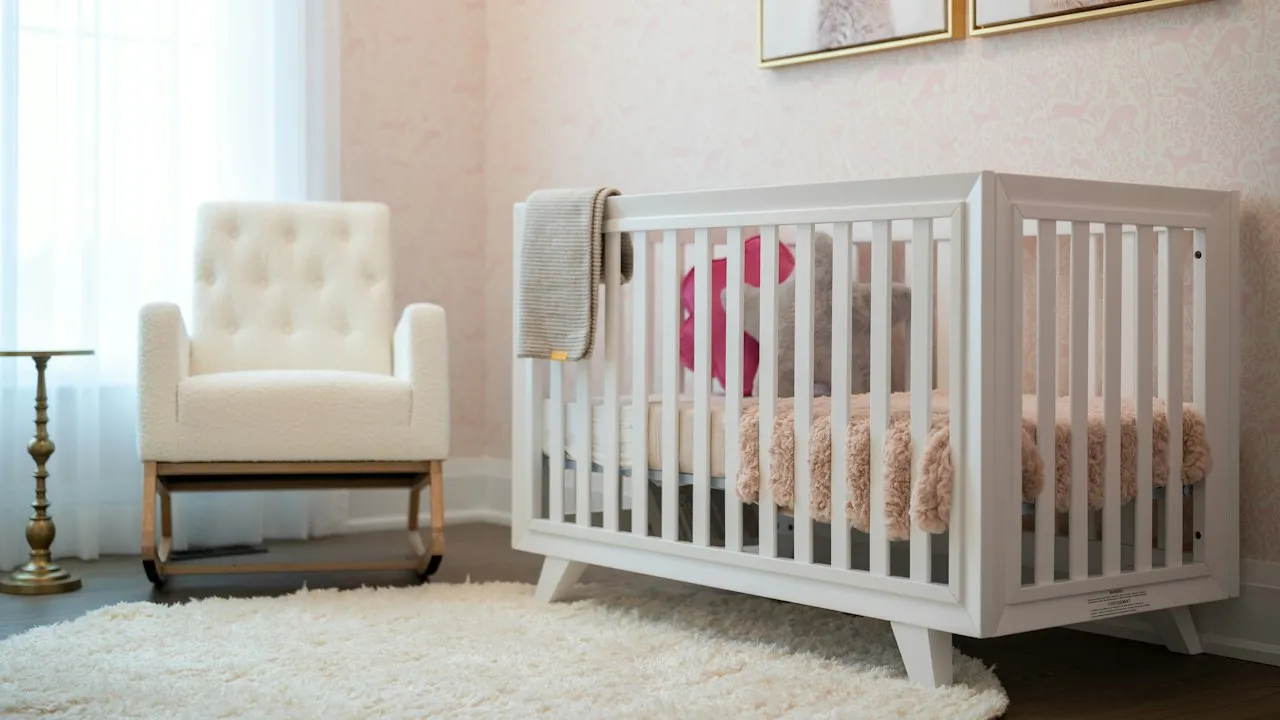
A practical baby registry helps you prepare for everyday life with a new baby without filling your home with duplicates, short-lived gadgets, or items you may never use. The most useful approach is to focus on routines: feeding, sleeping, changing, bathing, travelling, and recovery after birth. Your registry can then give friends and family clear options at different price points while keeping your own priorities in control.
Start with your home, budget and daily routine
Before adding products, think about where your baby will sleep, how you expect to feed them, and how much storage you have. A compact flat may suit a folding changing mat and a bedside crib, while a larger home may have room for a changing unit or full-size cot.
Consider your likely lifestyle too. If you walk frequently, a sturdy pram with weather protection may be more valuable than a large collection of indoor baby gear. If you expect regular car journeys, an appropriate car seat should sit near the top of your list.
Set a rough budget for the items you plan to buy yourselves. A registry is not a complete shopping list that others must fulfil. It is a flexible tool that lets loved ones contribute according to what feels comfortable for them.
Build around essentials before extras
Begin with the products you are likely to need from your baby’s first day home. Add optional items only after the basics are covered.
Useful early categories include:
- A safe sleep space, such as a cot, crib, or bedside crib
- Firm mattress and fitted sheets
- Nappies, wipes, nappy cream, and changing mats
- Baby clothes in a range of sizes
- Muslins or burp cloths
- Bath towels and gentle wash products
- A pram or pushchair suited to your routine
- A correctly fitted rear-facing car seat, if you travel by car
- Feeding supplies that match your plans
For sleep-related purchases, choose products that follow current safety guidance. The NHS provides clear information on reducing the risk of sudden infant death syndrome, including advice about firm, flat sleep surfaces and avoiding loose bedding.
Choose clothing gifts that will not go unused
Baby clothes are popular registry gifts because they are easy to buy and enjoyable to unwrap. Yet newborn sizes can be outgrown very quickly, and babies often receive far more tiny outfits than they can wear.
Add a mix of practical pieces, including bodysuits, sleepsuits, cardigans, socks, hats for suitable weather, and outer layers. Prioritise soft, easy-to-wash fabrics and fastenings that make nappy changes simpler. You may also wish to list larger sizes, such as three to six months and six to nine months, so you have useful clothing ready for later.
For more ideas that balance practicality with gift appeal, see Baby shower clothing gifts parents will use.
Give guests a clear size guide
A brief note on your registry can prevent a pile-up of newborn outfits. You might say that you welcome clothing in sizes from three months onward, or that you particularly need seasonally appropriate layers for the months after your baby arrives.
Keep in mind that sizing varies between brands. A baby labelled “three months” may fit earlier or later than expected, so a varied selection is more useful than relying on a single size.
Add feeding items with flexibility in mind
Feeding choices can change after your baby arrives. Rather than committing to every possible bottle, steriliser, pump accessory, or formula container, add a small and adaptable selection.
If you plan to breastfeed, consider nursing pads, comfortable feeding tops, a water bottle, snacks, and a supportive pillow. If you plan to bottle-feed, a few newborn teats, bottles, a bottle brush, and sterilising equipment may be helpful. Avoid stocking up heavily on one bottle type before knowing what your baby accepts.
Practical gifts for the parent can be just as welcome as gifts for the baby. Meal delivery vouchers, supermarket credit, cleaning help, and postpartum comfort items can make the first weeks more manageable.
Make the registry easy for every guest to use
Choose a registry platform or shop that lets you organise items by category and price. Include affordable choices, mid-range essentials, and a few group-gift options such as a pram, cot, or baby monitor.
Write short notes where context helps. For example, mention the colour you prefer, whether an item needs to fit a particular model, or whether you would welcome second-hand versions. Guests often appreciate permission to buy preloved items, particularly for clothes, books, and toys.
Avoid adding too many novelty products. A registry works best when it reflects what you will use repeatedly, not what looks appealing in a single online photograph.
Keep your list current as your due date approaches
Review your registry every few weeks. Remove gifts you have received, update quantities, and check whether larger items are still available. If you have bought a key item yourself, mark it as purchased so guests do not duplicate it.
You can also add a small selection for later stages, such as weaning bowls, bibs, board books, and teething toys. These gifts may not be needed immediately, but they can reduce future shopping pressure.
A well-planned registry should feel reassuring rather than demanding. It gives your guests helpful direction while leaving room for personal choices and unexpected kindness.
- Focus first on sleep, changing, clothing, feeding, travel, and bathing needs.
- Add clothing in several sizes, not only newborn.
- Include gifts at varied prices, from muslins to larger group purchases.
- Keep feeding purchases flexible until you know your baby’s preferences.
- Welcome practical support, vouchers, and second-hand gifts where suitable.
- Review and update your list regularly before the baby arrives.
A registry that supports your family’s first months
The best baby registry is not the longest one. It is a thoughtful list shaped by your space, routines, budget, and preferences. By choosing versatile essentials, sizing clothing sensibly, and offering gifts across a range of prices, you can make it easier for friends and family to give presents that genuinely support you and your baby.